
square led mirror
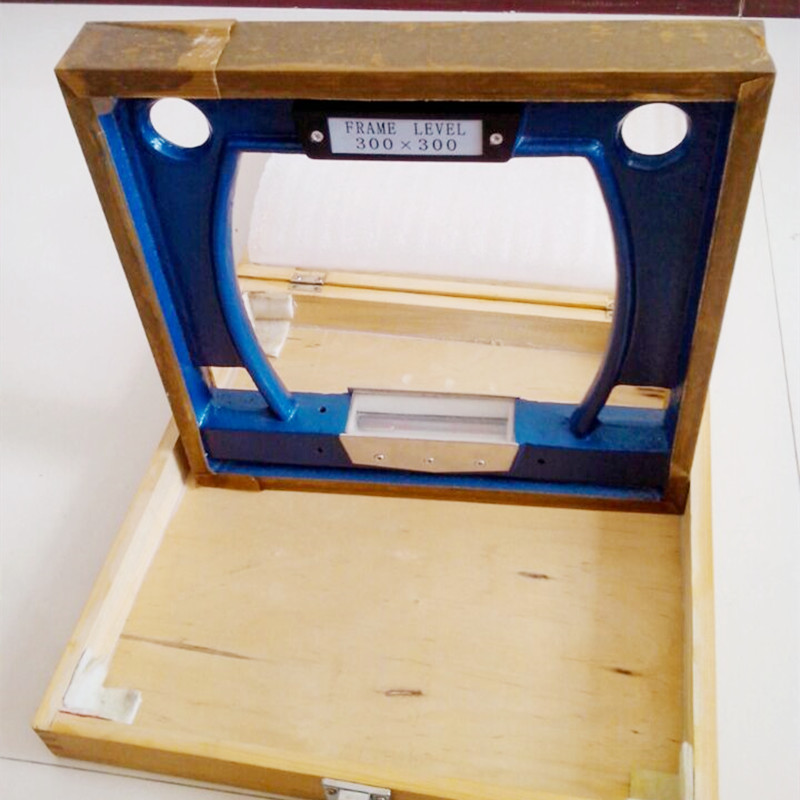
The Importance of a Meter-Long Spirit Level in Precision Measurements In the realm of construction and carpentry, the significance of precise measurements cannot be overstated. Whether one is erecting a building, laying a floor, or installing cabinetry, maintaining a horizontal or vertical alignment is crucial. Enter the meter-long spirit level, a simple yet indispensable tool that has transformed the way professionals approach alignment tasks. A spirit level, also known as a bubble level, is an instrument used to determine whether a surface is horizontal (level) or vertical (plumb). The primary component of a spirit level is its vials filled with liquid, typically alcohol or another colored fluid, containing a small air bubble. When the bubble rests between the marked lines in the vial, the surface is perfectly level; if the bubble shifts away from these lines, adjustments are needed. The Importance of a Meter-Long Spirit Level in Precision Measurements One of the primary advantages of using a meter-long spirit level is its ability to enhance accuracy. In construction, even a slight misalignment can lead to significant structural issues down the line. Using a spirit level helps to ensure that every measurement is precise, reducing the risk of future complications. For instance, if a contractor is installing shelves or cabinets, a meter-long spirit level can help verify that all installations are straight and aligned, creating a polished and professional appearance. meter long spirit level Moreover, the use of a spirit level promotes efficiency. By quickly identifying whether surfaces are level, workers can save time that would otherwise be spent making adjustments. For example, when laying flooring, a meter-long spirit level can expedite the process by allowing installers to immediately spot uneven areas, ensuring a smooth and effective installation. Beyond construction, the meter-long spirit level finds its place in various DIY projects around the home. Whether hanging pictures, installing curtain rods, or aligning furniture, this tool offers homeowners the precision needed for aesthetic appeal. It’s a tool that empowers individuals to undertake projects with confidence, knowing that they can achieve professional-looking results without hiring a contractor. In addition to its practical uses, the design of a meter-long spirit level often incorporates durable materials, making it a reliable companion for years to come. Many levels are constructed from lightweight aluminum or high-quality plastic, which prevents rust and corrosion while maintaining accuracy. Additionally, some models come equipped with features like shock-resistant vials and ergonomic grips, enhancing both usability and longevity. In conclusion, the meter-long spirit level is a quintessential tool in the construction and DIY toolkit. Its precision, efficiency, and versatility make it ideal for a wide range of applications, ensuring that both professional contractors and home improvement enthusiasts can achieve optimal results. As technology advances, spirit levels may integrate digital features, but the fundamental principles of alignment and precision will remain essential. Investing in a quality meter-long spirit level is not just a purchase; it is an investment in the quality and longevity of any construction or renovation project.
about
square led mirror
Understanding Runout Testers Ensuring Precision in Manufacturing In the world of manufacturing and engineering, precision is paramount. The intricacies of mechanical components necessitate accurate measurements to ensure that parts function correctly and efficiently. One essential tool in achieving this level of precision is the runout tester, a device used to measure the deviation of a rotating component from its true geometric axis . Runout refers to the variation between the measurable position of a component at its maximum and minimum positions as it rotates. This can lead to unwanted vibrations, wear and tear, or even catastrophic failures if left unchecked. Therefore, assessing runout is crucial in various industries, including automotive, aerospace, and machinery manufacturing. Runout testers typically consist of a dial indicator mounted on a stable base, with a spindle that contacts the rotating part. As the component rotates, the dial indicator measures and displays the maximum and minimum deviations from the true center. Runout can be classified into two main types radial runout and axial runout. Radial runout examines the perpendicular distance from the center of the component to the outer edge, while axial runout focuses on the variation in the axial direction, which is critical for applications requiring precise alignment. The process of measuring runout is relatively straightforward. First, the component is securely mounted on a spindle or fixture. Once in place, the operator spins the component, watching the dial indicator for any fluctuations in the readings. A perfectly calibrated part will show minimal variation, while a significant deviation may indicate that realignment, machining, or other corrective actions are necessary. runout tester In industrial settings, maintaining tolerance levels is essential for ensuring product quality. For instance, in the automotive industry, runout tests are vital for rotating parts such as wheels and brake discs, where excessive runout can compromise safety and performance. For rotating machinery, like turbines or pumps, excessive runout could lead to imbalances, increased wear, and energy inefficiencies. Furthermore, advancements in technology have led to the development of digital runout testers, which offer enhanced accuracy and the ability to store measurements for analysis. These modern devices often feature features such as data logging, statistical analysis, and connectivity options for integration into broader manufacturing systems. Such enhancements not only streamline the measurement process but also improve the workflow, allowing for real-time monitoring and adjustments. Despite the evolution of technology, the core principle behind runout testing remains unchanged ensuring that components are produced to the highest standards. It is a small but vital part of quality control in manufacturing processes, contributing significantly to the overall performance and reliability of products. In conclusion, runout testers are indispensable tools in precision engineering. By effectively measuring and minimizing runout, manufacturers can uphold the quality and safety of their products. Whether through traditional dial indicators or advanced digital systems, ensuring precise measurements fosters a culture of quality that permeates the entire manufacturing process, ultimately leading to greater customer satisfaction and trust in the product.
-

High quality industrial productsagement

High quality industrial products
View Details -

Meet the diverse needs of customers

Meet the diverse needs of customers
View Details -

Strict quality control

Strict quality control
View Details -

Top raw materials

Top raw materials
View Details -

Trusted supplier

Trusted supplier
View Details
Our application



news and information
v blocks for machining
V Blocks for Machining An Essential Tool for Precision Engineering In the realm of precision machin

y type strainer with drain valve
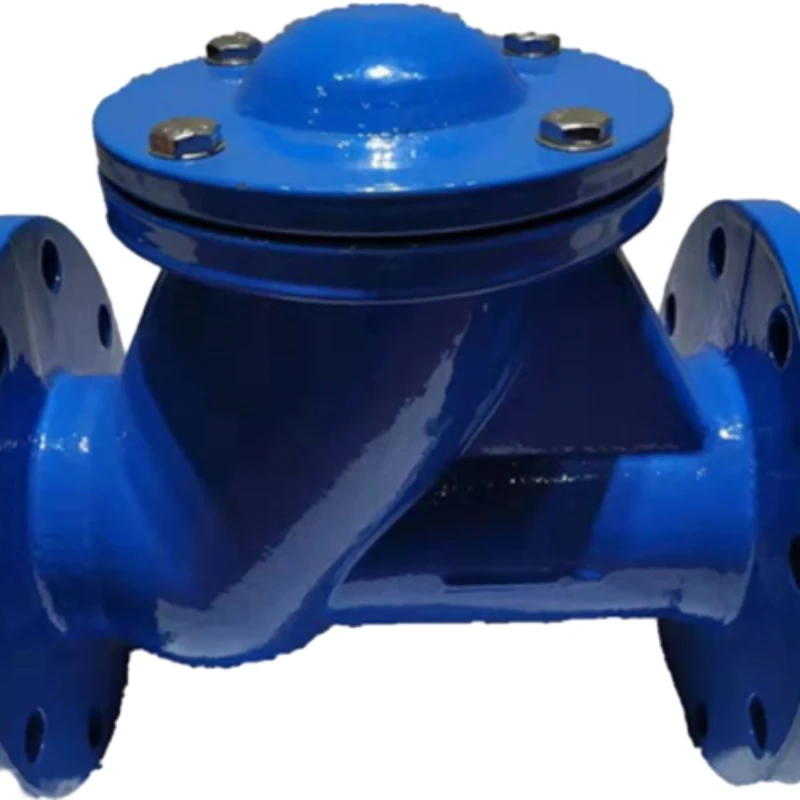
Understanding Y-Type Strainers with Drain Valves The Essential Component for Fluid Management In var
Why Granite Surface Plates Outperform Other Materials
Precision is the foundation of any successful industrial or fabrication process. Whether it's for me
 English